Community Services builds sustainable and diverse economies while supporting local solutions to local problems. The work we do supports economic and community development. We help Yukoners lead healthy, productive, happy lives through accessible, integrated programs and services tailored to their needs.
Services and information
Latest news
Whitehorse Public Library reopens to the public
April 22, 2024
Whitehorse Public Library reopens its doors to the public.
The Government of Yukon provides funding for Chiefs and Mayors forum
April 17, 2024
The Government of Yukon announces funding for the Chiefs and Mayors forum.
The Government of Yukon is making life more affordable for rural Yukoners
April 15, 2024
No change to rural property tax rates in 2024 - The government of Yukon maintains rural property taxes at the same rate as in 2023.
Minister responsible
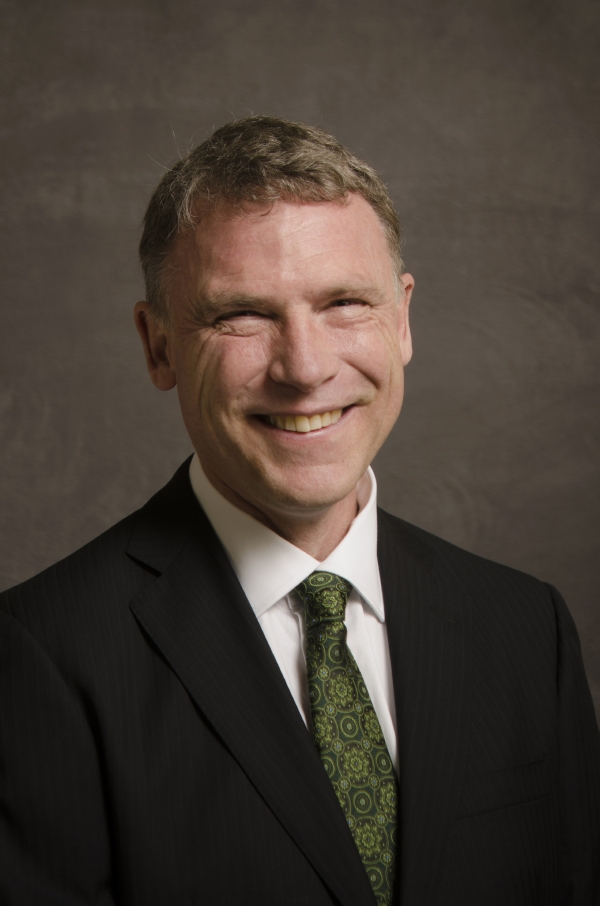
Richard Mostyn
Legislative Assembly profile
Email:
richard.mostyn@yukon.ca
Phone number:
867-393-7482
Fax number :
867-393-7135
We inspect construction and trade-related activities and ensure structures and installations are completed to safety codes. We issue permits and licences to support: development; building; plumbing; electrical; boiler and pressure vessels; gas; and elevating devices.
Building Safety and Standards location and hours
Email:
buildingsafety@yukon.ca
Phone:
867-667-5741
Toll-free phone:
1-800-661-0408
extension
5741
Fax number:
867-393-6249
Location:
Building Safety and Standards hours and location
Our job is to support municipal and local area governments. We provide advice, share information and train town staff and elected officials. We add capacity to local governments and help them serve their citizens. We also provide funding and financial advice to municipalities and unincorporated communities.
Phone:
867-667-5811
Toll-free phone:
1-800-661-0408
We provide municipal services to unincorporated communities and rural areas in the Yukon, make sure community infrastructure is working and is well-maintained. We maintain and provide clean water, sewage, mosquito control, local road works, street lighting, pedestrian bridges, flood and erosion control, solid waste facilities and recycling depots. We also plan and seek regulatory approvals to build or upgrade community infrastructure.
Email:
cs-finance-ops@yukon.ca
Phone:
867-667-8945
We facilitate and support business in the Yukon by providing a variety of information and services to business and the public. We administers legislation related to six registries: corporations, businesses, partnerships, societies, cooperative associations, personal property security. We also regulate sales and trades in securities as the Office of the Yukon Superintendent of Securities.
Businesses, societies and securities
Corporate Affairs hours and location
Email:
corporateaffairs@yukon.ca
Phone:
867-667-5314
Toll-free phone:
1-800-661-0408
extension
5314
Fax number:
867-393-6251
The Emergency Measures Organization (EMO) is responsible for coordinating Yukon's preparedness for, response to, and recovery from, major emergencies and disasters. Historically, emergency situations in the Yukon have involved fire, flood, power failures, toxic spills and extreme weather, although other hazards exist.
Emergency Measures Organization location
Email:
emo.yukon@yukon.ca
Phone:
867-667-5220
Toll-free phone:
1-800-661-0408
extension
5220
Fax number:
867-393-6266
The Employment Standards Office enforces the minimum standards of employment, such as wages and hours of work, as set out in the Employment Standards Act. We provide information, education, and dispute resolution services for employees and employers. We also administers the Fair Wage Schedule, which sets the minimum wage rates for workers employed on construction contracts with the Yukon government.
Employment Standards hours and location
Email:
employmentstandards@yukon.ca
Phone:
867-667-5944
Toll-free phone:
1-800-661-0408
extension
5944
Fax number:
867-393-6317
We work with many different agencies and personnel to reduce the loss of life and property to fire and other related emergencies throughout the Yukon. We work to improve public life safety and fire protection through leadership, education, enforcement, and program development. We also provide funding, training and administer fire departments in the Yukon communities.
Fire Marshal's Office location
Email:
cs.fmo@yukon.ca
Phone:
867-456-6517
We help build community infrastructure around the territory by:
- administering federal infrastructure funding for communities and First Nation governments; and
- managing the construction of infrastructure for communities and for the Yukon government.
Phone:
867-393-6967
Land Development Branch supports and coordinates land development initiatives in the Yukon. We work with Yukon municipalities, unincorporated communities and First Nations governments to bring new residential, commercial, industrial, and institutional lots to the Yukon market.
Phone:
867-456-6184
We regulate a number of health and business professions in the Yukon. Our work includes: licensing professionals and professional corporations; setting standards and policies; managing complaints; and supporting the development of regulations. We also approve and issue charitable gaming applications.
Professional Licensing and Regulatory Affairs location and hours
Email:
inquiry.plra@yukon.ca
Phone:
867-667-5111
Toll-free phone:
1-800-661-0408
extension
5111
Fax number:
867-667-3609
We provide all Yukon taxing authorities with current, accurate and equitable property assessments and establish the general property tax rates for all areas outside municipalities. We also administer companion programs including the Home Owners Grant, Rural Electrification, and Domestic Water Well programs.
Property Assessment and Taxation
Property Assessment and Taxation location and hours
Email:
assessment.taxation@yukon.ca
Phone:
867-667-5268
Toll-free phone:
1-800-661-0408
extension
5268
Fax number:
867-667-8276
The Residential Tenancies Office provides information about the rights and responsibilities of landlords and tenants as set out in the Residential Landlord and Tenant Act. It also provides legally binding dispute resolution when issues arise that cannot be resolved by landlords and tenants.
Residential Tenancies Office location and hours
Email:
rto@yukon.ca
Phone:
867-667-5944
Toll-free phone:
1-800-661-0408
extension
5944
We support the development and delivery of sport, recreation and active living programs in the Yukon by providing funding programs, resources, advocacy and consultative services to communities, Yukon sport and recreation organizations and individuals.
Sport and Recreation location and hours
Email:
sportrec@yukon.ca
Phone:
867-667-5254
Toll-free phone:
1-800-661-0408
extension
5254
Fax number:
867-393-6416
Yukon Wildland Fire Management is responsible for managing Yukon wildfires and enforcing the Government of Yukon's Forest Protection Act. We work to prevent personal injury and loss of life, and to minimize social and economic disruption resulting from wildfires.
Wildland Fire Management location
Phone:
867-456-3845
Toll-free phone:
1-800-661-0408
extension
3845
We provide library services to Yukon. We work collaboratively with community library boards, other libraries, literary and literacy groups and similar organizations. Public Libraries provides books, audiovisual materials and other resources to meet the needs of Yukoners of all ages. We also provide fun and informative programming for children and adults and safe, healthy community meeting places.
Email:
whitehorse.library@yukon.ca
Phone:
867-667-5239
Toll-free phone:
1-800-661-0408
Fax number:
867-393-6333
Location:
Whitehorse Public Library